How to Become a Community-First Employer, and Why It Matters to Your Talent Pipeline

Earlier this year, Nick Errato kicked off his 90-minute “workout lunch” break with a soccer game on his company’s campus field in Raleigh, North Carolina. Around him, bees buzzed from the locally sponsored apiary, kids laughed at the on-site Montessori preschool and a guest entrepreneur prepped an afternoon talk for staff. None of this was out of the ordinary at cloud communications company Bandwidth.
Walking back inside, a teammate quipped, “Things like this are what keep me around.”
Errato, the company’s director of Whole Person Programs, was heartened but not surprised by this comment. Bandwidth has long included a “Whole Person Promise” as part of its employer value proposition (EVP) — a dedication to enriching body, mind and spirit so employees can do meaningful work and lead full lives.
That same emphasis on meaningful work is what led Laura Ullrich, director of economic research at Indeed Hiring Lab, to construct Indeed’s new “Best Cities for Work” index a little differently. “We tried to think holistically about the things that impact a person's satisfaction with the city they work in,” explains Ullrich.
While similar lists may consider only factors like salary and job availability, Hiring Lab layered in 40 metrics to present a more complete picture of what makes a metro area a great place for work. These include community-oriented and work-life balance elements, like median wage relative to cost of living, racial and gender pay gaps, career-growth rating and walkability.
This allowed more surprising metros like Burlington, Vermont, and Durham, North Carolina, to really shine.
The same lessons can help employers shine, too. Recognizing their roles as community builders within their workplaces, as well as their potential impact on the cities around them, can help companies attract better talent and foster more satisfied workforces.
Get the latest insights on the workplace and hiring, straight to your inbox
Sign Up NowThe impact of community investment for employers
Mindi Cox, chief people officer at O.C. Tanner, has said for years that employee experience is about a lot more than time at work. Based in Salt Lake City — which ranks highest in work-life balance and flexibility out of all 228 metro areas analyzed — O.C. Tanner’s commitment to its community includes donating 10% of its profits back into the city where its employees live and work. That investment has helped build a reputation that not only attracts talent but holds onto it.
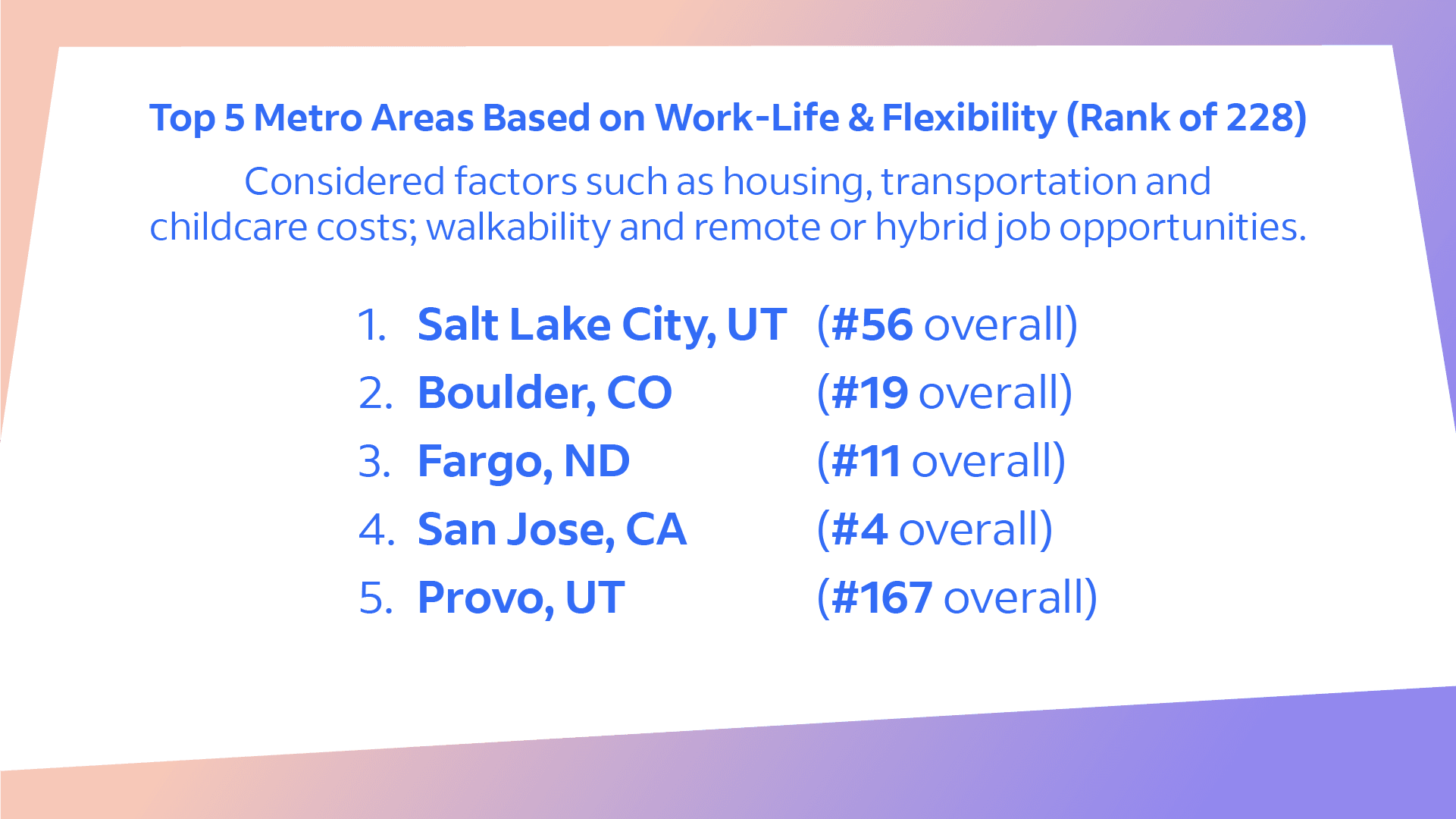
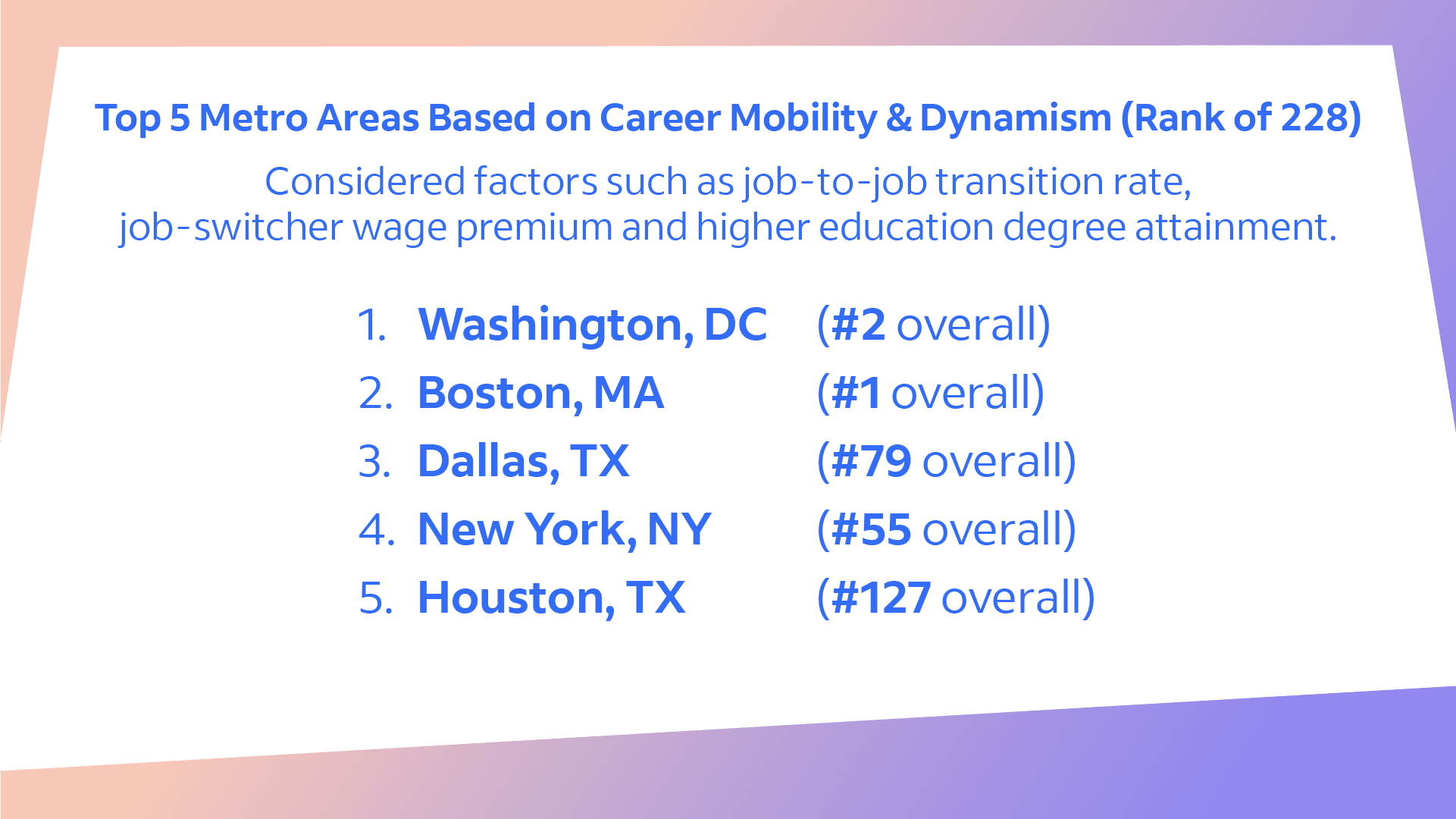
The top metros based on work-life and flexibility ranking, out of all 228 metro areas analyzed. Source: Indeed Hiring Lab · Best Cities for Work 2026.
The company boasts an impressive 11-year average retention rate and an internal referral rate of 50% — a number it closely monitors for employee satisfaction. “The highest compliment an employee can give us is to bring someone they care about to work here,” explains Cox.
Cox also credits the ease they have in filling roles to a strong reputation built through deliberate, ongoing communication about their EVP: a careers site that doesn’t just share what the business does, but what the experience is like; “juicy” job descriptions that talk about why a candidate will love the job, rather than just listing tasks, and pursuing awards and other opportunities for community awareness and legitimacy.
📣Indeed’s Employer Branding Suite gives employers a set of tools to help communicate all aspects of their EVP to potential candidates, building community awareness and drawing in quality talent. |
Improving your own community-based benefits
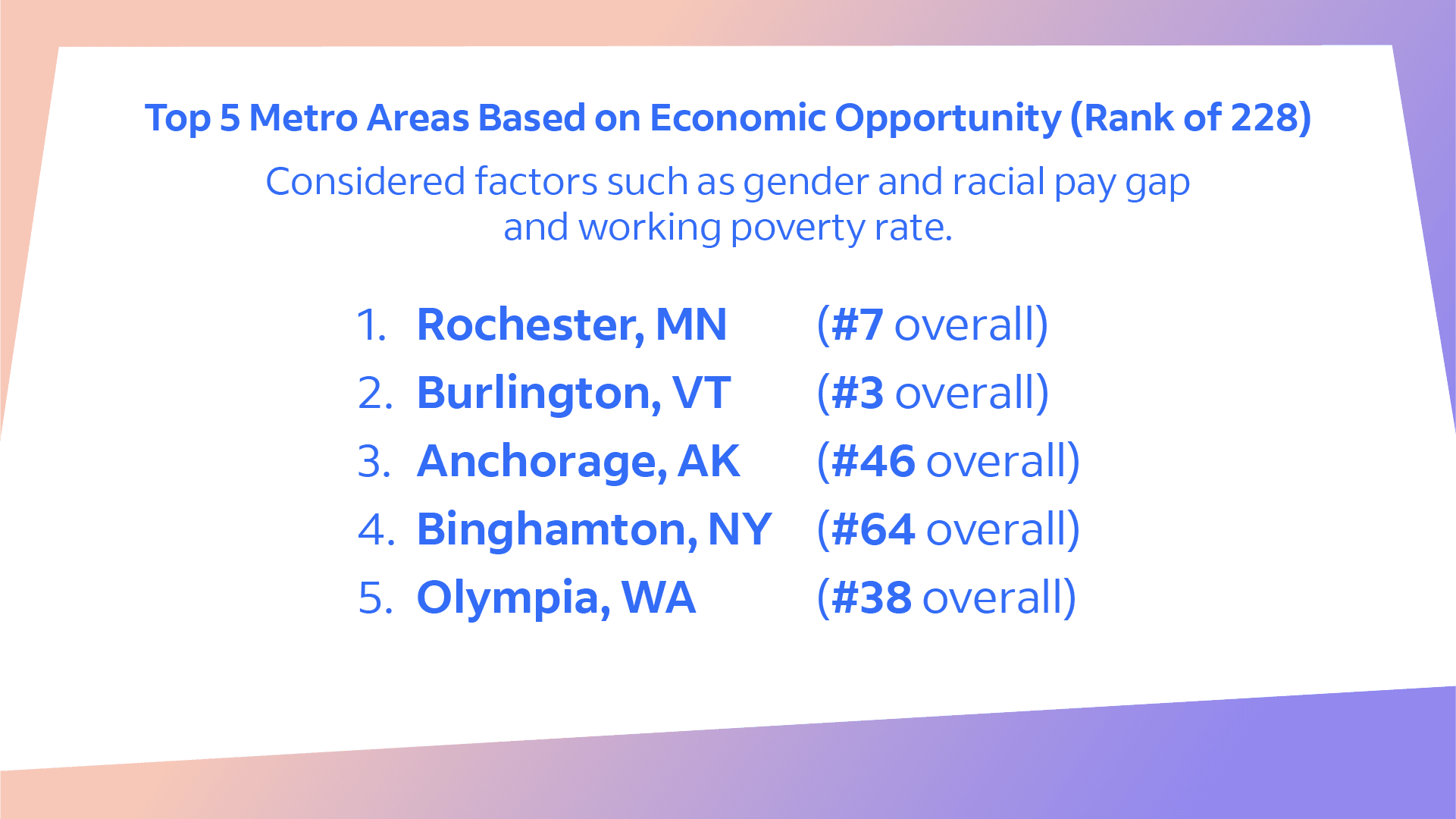
If you’re an employer interested in bolstering your community investment, Ullrich suggests auditing your benefits and programs against the Best Cities for Work index — particularly the pillars that rank mobility, work-life balance, and economic opportunity. For example, if your metro area ranked low in commute time, you might consider offering commuter benefits or remote perks.
From there, Cox and Errato share four ideas that have helped them build out their community-oriented cultures.
1. Talk to your employees long before they leave
The best way to understand the kind of community support your employees want is to ask them, not guess.
Importantly, this should be done regularly during the employee journey. “Most organizations are pretty keen on talking to people as they're leaving to find out what they could have done better,” explains Cox. “We don’t want to wait for that.”
Instead, O.C. Tanner swears by “stay interviews” — conversations with employees who have been around for a while, are performing well and generally model the type of talent they want to attract more of. By understanding what matters to them, Cox’s team knows which initiatives to pour more resources into and which new ones they may need.
For example, after hearing how many employees were individually seeking mentorship, O.C. Tanner launched a formal program to aid their career progression.
2. Avoid a one-size-fits-all mindset
“One thing that we know for sure is that everyone’s priorities are unique,” says Cox. That’s why they provide options for employee benefits: a bank of volunteer hours that employees can use how they wish, or several different company-sponsored social events around town so people can choose which best aligns with their interests.
Errato agrees that choice has been a key factor in building programs that support the real needs of Bandwidth’s employees and the surrounding community.
The company’s “Go! Do! Day!” gives employees time off for individual activism and community involvement. “Mahalo Moments,” meanwhile, offers extra PTO days that employees can put toward any important life milestone they care about, be it a wedding anniversary, first home purchase or a child’s graduation. For corporate donations, Errato works with each international office to determine what would be most impactful.
“It’s not cookie-cutter — it’s about letting our teammates say what each community needs,” says Errato.
"It's hard for enterprise employers based around the country to think about how the employee experience might vary due to location,” explains Ullrich. “Employers can get in the habit of a one-size-fits-all practice, but the Best Cities for Work index shows why that doesn’t work."
3. Consider day-to-day moments of support
It’s easy to get wrapped up in launching big programs or major new benefits. But O.C. Tanner has found that employees think about their experience more on the day-to-day level, which they call “micro moments.”
The top metro areas based on economic opportunity, out of all 228 metros analyzed. Source: Indeed Hiring Lab · Best Cities for Work 2026.
Cox encourages employers to widen the variety of support they offer in the workplace. For instance, O.C. Tanner regularly brings in experts on topics that consume employees’ mental energy, such as first-time home buying and elder care. “You might not think they’re work-related, but if they’re life-related, they matter to your people,” Cox says.
4. Let your benefits evolve with the community
Cox warns employers against becoming complacent about the benefits they offer to support employees' livelihoods. “Even though you have programs in place, how can you make them more personal? How can you make them more meaningful? How can you do the right thing for what matters to your people most right now?” she explains.
That philosophy showed up a few years ago when several longtime O.C. Tanner teammates were fighting serious cancers. During that time, the company donated to the Huntsman Cancer Institute, a local treatment center that had saved the lives of people they care about and work alongside.
It’s proof positive that the best employers don’t just exist in a great city. They help build a better one for every single one of their employees.
Please note that the companies mentioned in this article are not affiliated with Indeed.
Get the latest insights on the workplace and hiring, straight to your inbox
Sign Up Now
Discover Work Wellbeing
Get insights and inspiration for the modern world of work
We’ll be in touch soon with the insights and inspiration you need to lead a thriving workforce. In the meantime, check out the recommended articles below.

