To Close the Gender Pay Gap, Take an Intersectional Approach

These gaps translate to tens of thousands of dollars annually — and hundreds of thousands of dollars over a career — in lost income and financial security for working women.
Here’s how to start thinking about the gender pay gap through an intersectional lens and use this context to boost pay equity in your organization.
Get the latest insights on the workplace and hiring, straight to your inbox
Sign Up NowAn Intersectional Look at the Gender Pay Gap
Equal Pay Day symbolizes how long it takes the average woman in the U.S. to earn the same amount the average man earned in the previous year. To reflect this, it falls on a different date each year, gradually moving up from April in 1996, when women working full-time, year-round earned around 75 cents for every dollar men working the equivalent earned, to March in 2023, as women working full-time, year-round now earn 84 cents to the dollar (based on the most up-to-date U.S. Census Bureau data). An even more recent 2022 Pew Research analysis shows that, when comparing both full- and part-time workers, women earn only 82 cents to the dollar.
However, this doesn't tell the full story.
“While significant in recognizing the gender gap, it is critical to acknowledge that Equal Pay Day for many women of color and working moms is later in the year,” says Misty Gaither, vice president of Diversity, Equity, Inclusion and Belonging (DEIB+) at Indeed. “This indicates women of color and working mothers have to work longer before they are paid fairly and equally for the same work.”

Systemic injustices and socioeconomic factors, combined with conscious and unconscious bias in the workplace and hiring process, put barriers between underrepresented workers and opportunities for education, jobs and promotions. Here’s how the gender pay gap increases where certain factors intersect:
Motherhood
Mothers’ Equal Pay Day is September 8, symbolizing that mothers in the U.S. make 58 cents for every dollar fathers make — costing them an estimated $17,000 annually. The gap is worse for BIPOC, with Black mothers losing nearly $34,000 annually; Native American mothers, $36,000; and close to $38,000 for Latina mothers.
Race and ethnicity
Equal Pay Day moved even later between 2021 and 2022 for some women of color due to widening wage gaps:
- Black women’s Equal Pay Day moved from August 3 to September 21. Among full-time, year-round workers, Black women make 67 cents for every dollar earned by white, non-Hispanic men. For all earners, including those who work part-time or seasonally, the gap widens to 64 cents to the dollar.
- Latinas’ Equal Pay Day moved from October 21 all the way to December 8. Latinas working full-time, year-round earn 57 cents for every dollar made by white, non-Hispanic men. When all earners are considered, it’s 54 cents to the dollar — nearly half the rate.
- Native American women’s Equal Pay Day moved from September 8 to November 30. Year-round, full-time working Native American women earn 57 cents to the dollar compared to non-Hispanic men; compared to all earners, they’re paid only 51 cents to the dollar. While it would take Native American women nearly a full additional year to catch up, the date is celebrated in November to coincide with Native American Heritage Month.
Gender identity and sexual orientation
Unfortunately, data comparing what LGBTQ+ women earn compared to white male workers doesn’t currently exist. However, the Human Rights Campaign shares that both cisgender and transgender LGBTQ+ women workers earn about 79 cents to the dollar compared to the average U.S. man, of all races and ethnicities, working full-time. Drilling down even further uncovers greater disparities, with Black LGBTQ+ women earning 77 cents for every dollar the average man in the U.S. earns and Latina LGBTQ+ women earning 65 cents for every dollar.
Additionally, research comparing LGBTQ+ workers to all U.S. workers (of all genders) found that Black LGBTQ+ women earn 85 cents to the dollar; Latina LGBTQ+ women make 72 cents to the dollar; nonbinary, genderqueer, genderfluid and two-spirit workers make 70 cents to the dollar; and transgender women earn the least, at 60 cents to the dollar that the average U.S. worker makes.
Disability
A recent report found that, in 2020, workers with disabilities were paid 26% less than those without disabilities: that’s 74 cents to the dollar. Within that group, women with disabilities working full-time, year-round earn 84 cents for every dollar earned by men with disabilities. With part-time and part-year workers accounted for, that ratio drops to 67 cents to the dollar.
Age
The pay gap only widens over a woman’s career. Women between the ages of 45 and 64 working full-time, year-round earn 79 cents for every dollar full-time working men of the same age earn, while women aged 65 and older earn 77 cents on the dollar compared to men. When part-time and seasonal workers are factored in, those aged 45 to 64 earn 77 cents for every dollar their male counterparts earn, dropping to 62 cents on the dollar for women aged 65 and older.
Three Ways to Close the Pay Gap in Your Organization
Once you’re aware of the intersectional factors perpetuating the gender pay gap, you can take action to address systemic inequities that might be driving these disparities.
“The longer we wait to implement policies and practices that embed equity, the longer it will be before we truly close the gap,” says Gaither. Along with Courtney McMillian, Indeed’s vice president of total rewards, she shares three ways company leaders can help close the gender pay gap:
1. Make work accessible to all workers
“Everyone has talent, but not everyone has equal access,” says McMillian. “Race, gender and disability can intersect to impact one's ability to have the experiences that will prepare you for a job.”
For example, she says, women unable to afford higher education or to work low-paying internships early in their careers might fall behind others and never regain equal footing. For those who also have disabilities, the absence of accessible spaces and accommodations can literally prevent them from even getting in the door.
Creating access for everyone in your company might include:
- Training hiring managers to focus on specific skills over specific schools and credentials.
- Forming inclusive programs and partnerships for women and those in marginalized groups.
- Upgrading your facilities and accessibility guidelines to accommodate workers with disabilities.
“Some of the best managers on the other side of the pandemic have been redefining how work is done,” McMillian says, including embracing flexible schedules and hybrid workplaces, both of which offer greater access for working mothers.
“We need to use those same muscles to address issues of intersectionality and the gender pay gap. Moving with the same intentionality, think about what accomplishing a job really requires to make opportunities accessible to communities you might not otherwise tap into.”
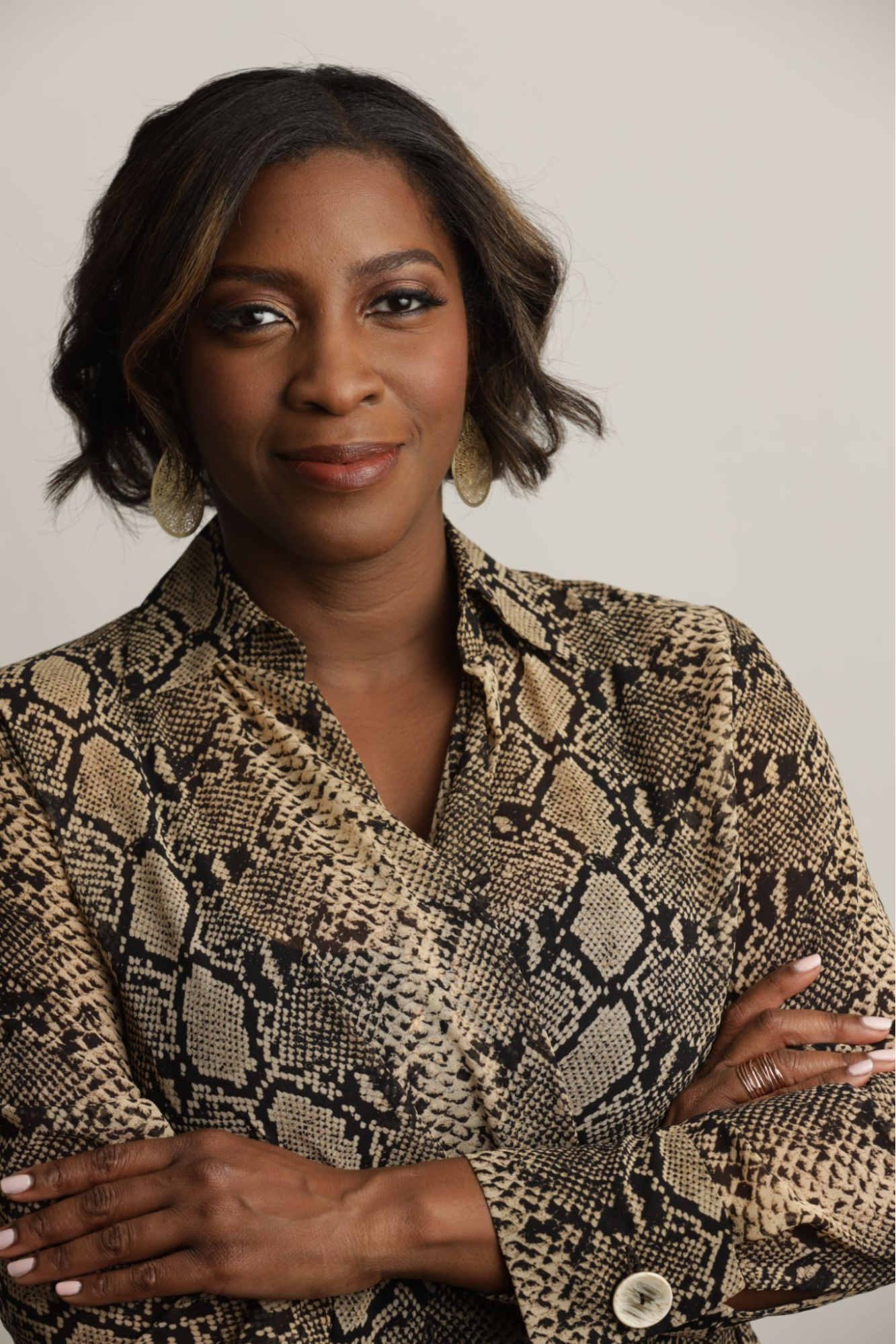
2. Invest in women leaders
“For many men, mentorship and sponsorship is automatic and develops organically given [their greater] representation. The same is not true for women,” says Gaither.
To open doors in your organization, create mentorship programs and inclusive resource groups (IRGs) designed specifically for women. Gaither recommends partnering with third-party organizations that focus on women’s development to create an environment where women feel safe discussing challenges and barriers to career growth and upward mobility. She also stresses the need to hold leaders accountable for ensuring that top talent and succession plans include women and underrepresented gender identities.
3. Get transparent about pay
Gaither says companies need to embrace pay transparency and implement practices such as pay-equity and living-wage analyses to address any pay gaps — viewed through a lens of increasing equity. Pay transparency isn’t just a social imperative; it’s a smart business move, as more states pass pay transparency laws and younger generations demand it.
However, McMillian advises business leaders to take transparency a step further by clearly communicating the process behind determining compensation with employees and job seekers.
“Companies need to be able to articulate specific factors that determine individual pay within a salary range so people can understand what defines success and how they can drive their own career growth,” she says. “That’s the next level of pay transparency on the horizon.”
Closing the Gender Pay Gap Through Access, Allyship and Action
Making real progress on any DEIB+ initiative, including pay equity, requires participation from everyone, at every level of an organization.
“The gender parity issue is an issue for everyone — this is not a women’s issue,” says Gaither. “The harsh truth is that we can only improve gender parity with the participation of all people. Men still occupy the majority of senior level roles within organizations and need to use their power and influence to institute change.”
With access, allyship and real action from company leadership, it’s possible to counteract systemic inequities and close the gender pay gap once and for all.
Get the latest insights on the workplace and hiring, straight to your inbox
Sign Up Now
Discover Work Wellbeing
Get insights and inspiration for the modern world of work
We’ll be in touch soon with the insights and inspiration you need to lead a thriving workforce. In the meantime, check out the recommended articles below.


